
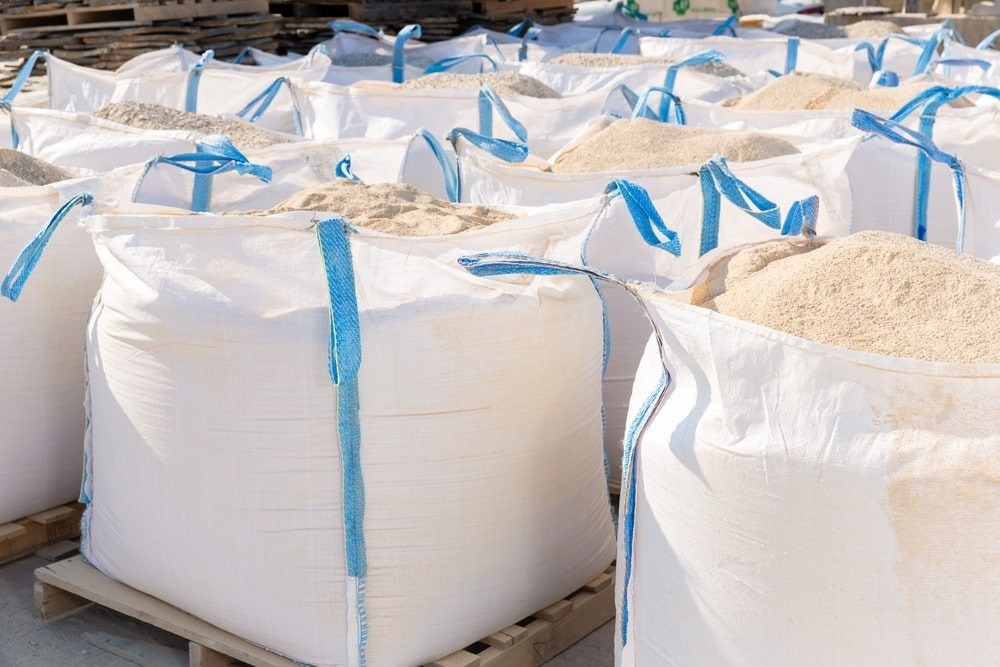

If you are looking for the precise engineered lifting tool, then the Bulk Bags Perth is the best decision you could make. Choosing the Bulk bag or the FIBCs isn’t just a procurement task, but a decision taken for the safety and seamless operation for industrial purposes. The bulk bags are not just the oversized grocery bags; they are made for lifting heavy materials in the industry as well. Picking the wrong bag will put you at the biggest risk for the whole team you are working with. This blog of decoding the safety factors is not just a technical manual, but a secret language of reliability. Let it be of any purpose, lifting volatile chemicals, grains, or any industrial material, understanding the fabric and ensuring they are safer is vital. Read on to the step-by-step reality of choosing the right bag.
Single Trip Vs. Multi Trip Reality
When surfing for the bulk bags from your mobile or digital gadget, the Safety Factor ratio is the foremost thing to be noted. 5:1 and 6:1 are the typical SF ratios. Before understanding the ratios, what is single trip containers? Are they meant to break after one use? No, it is to be emptied and refilled. The single-trip containers are specially designed to be filled, shipped, and discharged. The typical SF ratio of single-trip containers is 5:1. Unlike the single-trip container bags, multi-trip container bags are made for multiple fills and discharges. They are made with heavy fabrics as well. Choose the right ratio of bags according to the job.
The Safe Work Load Math
Safe Work Load or SWL is yet another factor to be concerned about before choosing Bulk Bags. Every bag is rated with the safest workload in terms of weight. For instance, if the bag is rated with 2500lbs, the fabric of the bag has undergone the 12500lbs in a laboratory test before failing. The extra capacity is just a suggestion for the buffer for dynamic loading. Therefore, choose the bag with SWL that comfortably exceeds the heaviest expected load. Never try to redline the bag just to get your work or time.
Match the Bag to the Beast
Chemical compatibility, or the answer to what you are putting inside the bag, matters the most. Depending on the materials you are carrying in the bulk bags, the quality and safety of the person lies. For example, if molten resins are bagged, the heat will weaken the fabric of the bag and thus lower your safety ratio. Looking for bags with high UV-inhibitor counts and specialized liners helps the bag to stay longer without any brittleness, even if it is exposed to direct sunlight for many days. Therefore, consider the bag as the one holding the beast, which is physically strong, but the material inside can eat through the bag from the inside out.
Grounding the Danger with Static Classification
There are a classified types of bulk bags that are effectively made for special purposes. Decoding Type A, B, C, and D can help you choose the right one. Types A and B are made for general use, and it has no static protection. Type C bags are conductive bags that must be grounded to the hoop. Dissipative bags are the ones that fall under Type D. Safety Factors aren’t just about lifting weight, but about the environment the bag lives in.
Assessing Lifting Styles: The Loop Hole
A major factor in using bulk bags is how the bag will be moved. There are solutions for this, too. Bulk bags are made in such a way to hold them safely with the hooks or the standard forklift sleeves. The stress point of the bag changes based on how it is lifted and on the material they are carried. This ensures the safety factor and maintains it even when the bag is being pulled at an angle. Choosing the right bag from the perfect provider is also important here. Auzzie Turf is a trustworthy provider with satisfied customers of industrial bulk bags of premium quality. Check for all the above-mentioned pinpoints and choose the exact perfect bulk bags.